
Blogs

If you’ve been navigating the data landscape, you most likely would have found yourself stuck in the age-old dilemma – SQL or NoSQL? Well, you’re not alone! In this blog, we try to find a resolve for you by shedding light on what is SQL and what is NoSQL Database, their properties, key differences, and break down the practical insights for you to make the correct choice between SQL and NoSQL. Ready to decode the dilemma? Let’s get started.
What is SQL?
SQL is a Structured Query Language. SQL database is a type of relational database which uses structured query language to manage data. It is a structured and organized collection of data made up of tables and schemas.
Fundamental Properties of SQL
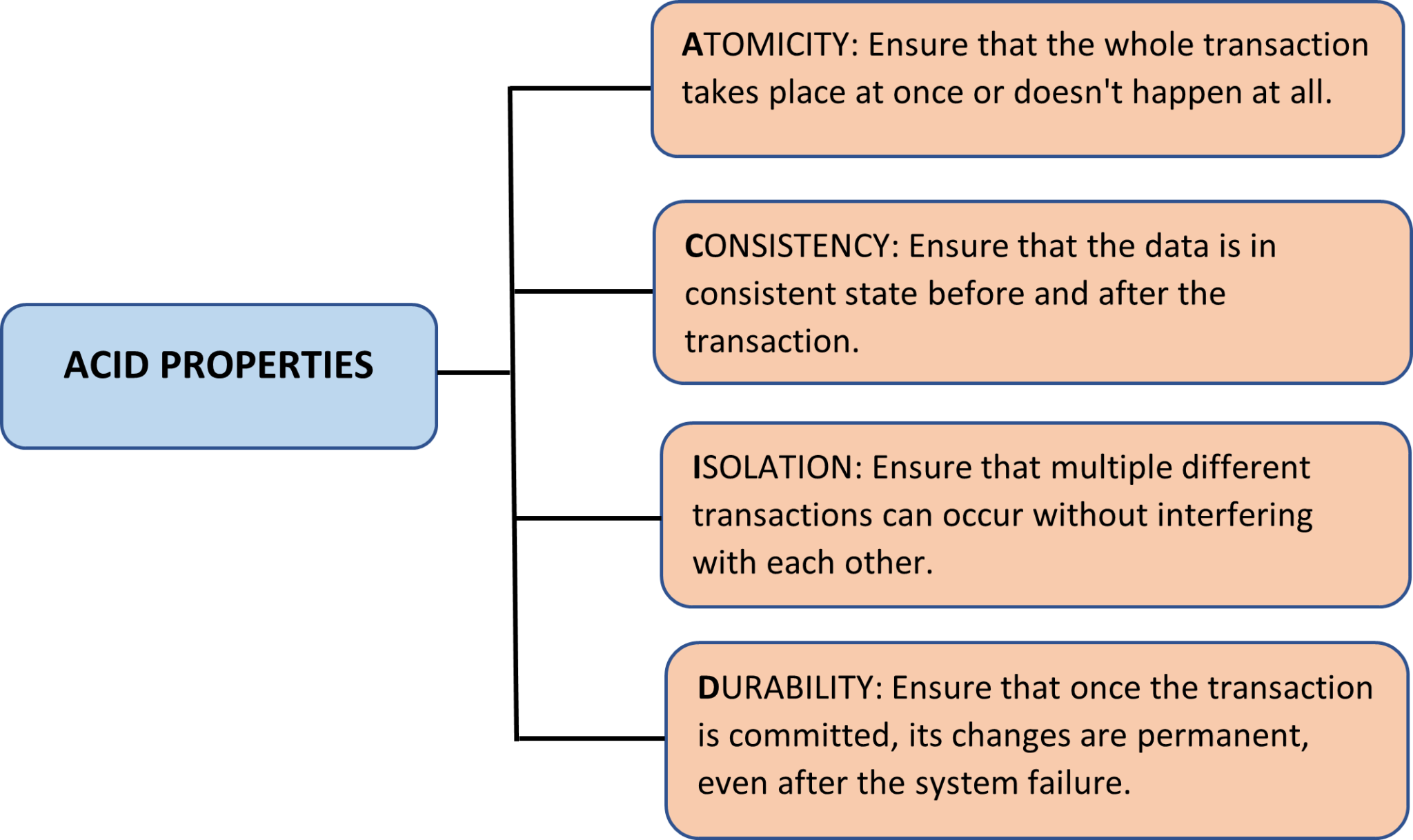
Following fundamental properties of SQL database ensure that database systems are consistent even after the system failures.
Common SQL Database systems
Oracle, PostgreSQL etc. are also some of the popular SQL databases.
What is NoSQL Database?
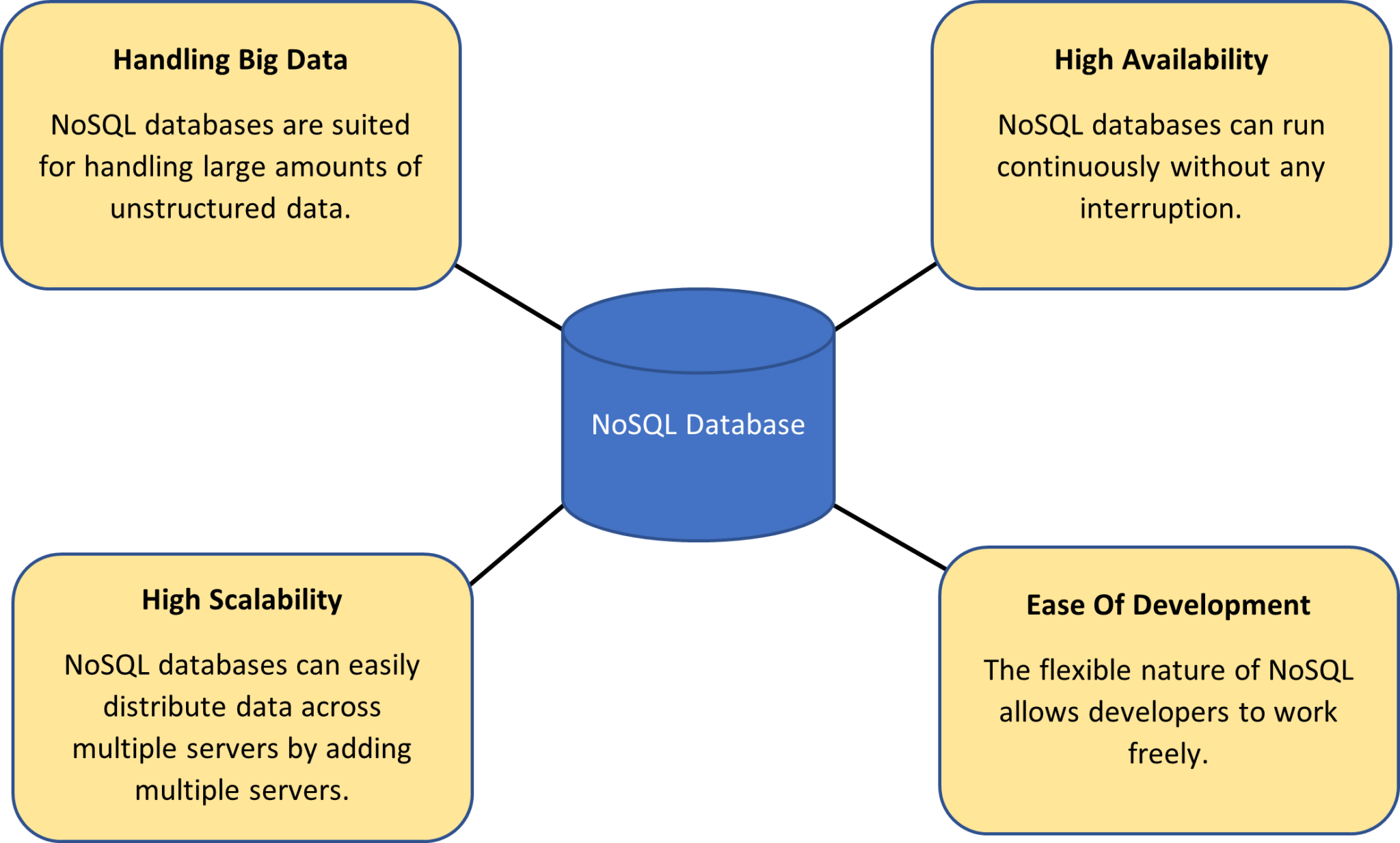
NoSQL Database is also known as NOT ONLY SQL. NoSQL stores data in an unstructured format other than the relational tables. NoSQL Databases are designed to handle large amounts of unstructured data, used in web applications and big data processing.
Advantages of NoSQL Database
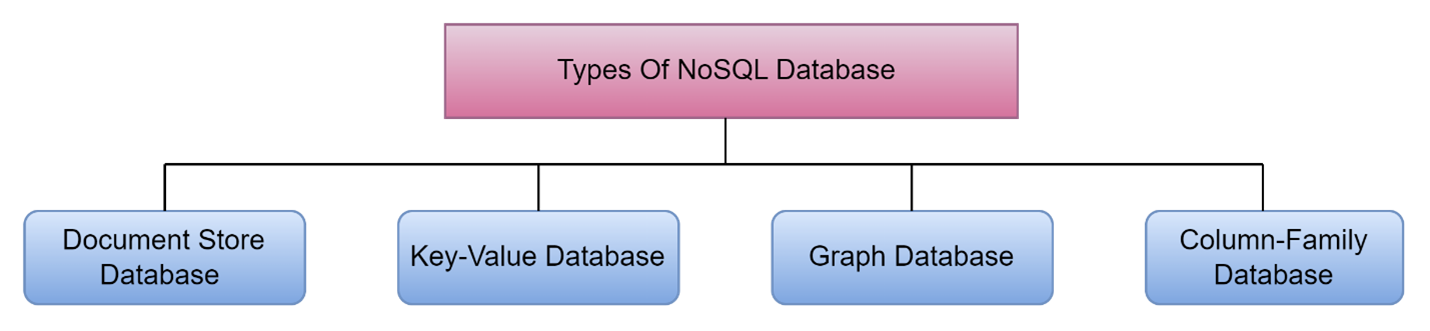
Types of NoSQL Database
Common NoSQL Database Systems
Some of the NoSQL database systems that are most frequently used include:
SQL vs NoSQL: Key Differences
Let’s clear up the major distinctions between SQL and NoSQL by breaking it further down into important parameters.
SQL vs NoSQL: How to choose the right database?
Making a choice between SQL and NoSQL completely relies on the use cases and requirements of a project. Every database type, including SQL and NoSQL, has their own set of advantages and disadvantages. However, let’s see a few elements that could be of assistance when making the best database choice for any project.
The decision between SQL vs NoSQL databases is crucial to the success of application development and data science. The impact on performance, scalability, and adaptability to data types directly influences the responsiveness of data-driven applications. Because of its structured relational model and ACID features, SQL works best in situations where relationships are important, and data is well-defined. On the other hand, NoSQL databases are scalable and flexible enough to accommodate the dynamic, unstructured data types that are common in contemporary applications. Both SQL and NoSQL have their different places in the technology ecosystem. We hope this guide helps you harness the power of data efficiently.